Food for Thought: Are You Feeding Your Fish Pond Right?
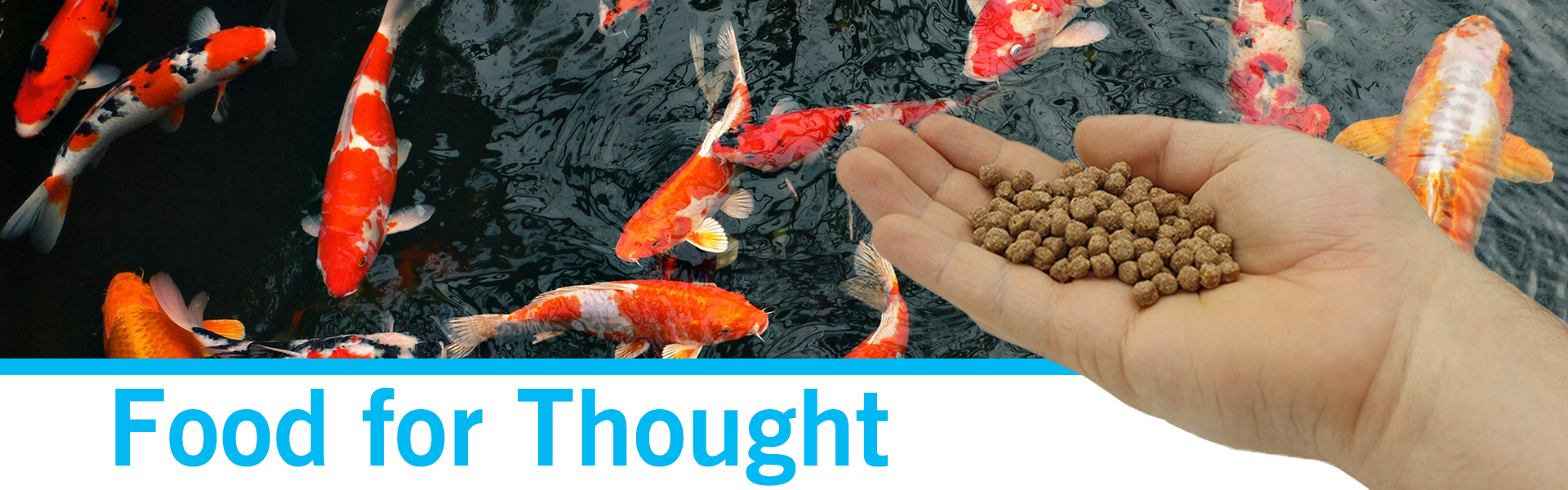
What you feed your fish does more than just keep them active, it directly impacts their health, your water quality, and the overall clarity of your pond.
Yet one of the most common oversights in pond care is not just feeding the same food all year round, but also feeding too much or too little.
As seasons change, so do your fish’s needs, and getting it wrong can quietly lead to poor water conditions, unnecessary waste, and added stress on your fish.
Understanding what, when and how much to feed isn’t just a nice-to-have, it’s a key part of maintaining a healthy, balanced pond.

Use our Food Calculator to work out how much you should feed you fish
www.evolutionaqua.com/fish-food-calculator
www.evolutionaqua.com/fish-food-calculator
What’s on the menu?
Not all fish food is created equal.
Different formulations are designed to support your fish at different times of the year, with varying levels of protein, digestibility, and nutritional focus.
Choosing the right type of food isn’t about preference, it’s about matching your fish’s needs to their environment and activity levels.
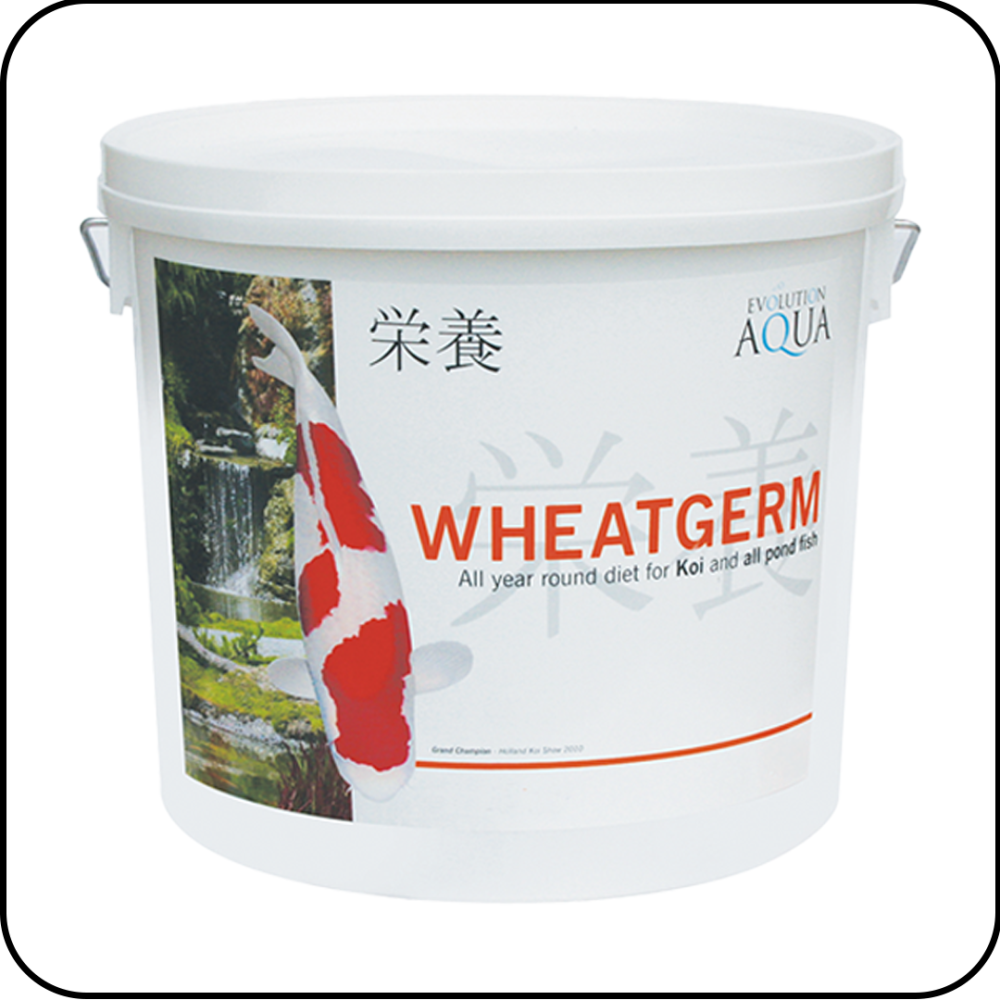
Wheatgerm
Designed as a cold water and seasonal transition diet, suited to periods when fish metabolism begins to slow.
As water temperatures drop, your fish’s digestive system becomes less efficient. Feeding high-protein, energy-rich foods during this time can lead to undigested waste, which not only affects fish health but can also quickly impact water quality and clarity, increasing waste levels in the system and potentially leading to cloudy or unstable water conditions. Wheatgerm helps avoid this by offering a lower protein, highly digestible alternative.
It is also rich in vitamin E and essential nutrients, supporting immune function and overall condition, which is particularly important as fish come out of winter or prepare to enter it.
While highly beneficial during colder periods, feeding wheatgerm-based foods during peak summer temperatures may not provide the higher protein and energy levels fish require during their most active months. Over time, this can lead to reduced growth, poorer body condition, lower energy levels, and nutritional deficiencies that may limit overall development. Likewise, feeding high-protein growth foods in colder water can result in undigested waste, digestive stress, poorer water quality, and increased stress on the fish due to their slower metabolism and reduced ability to process richer nutrition efficiently.
This makes it ideal for spring and autumn, when temperatures are fluctuating and fish are adjusting to changing metabolic demands.
Balanced and Performance Foods
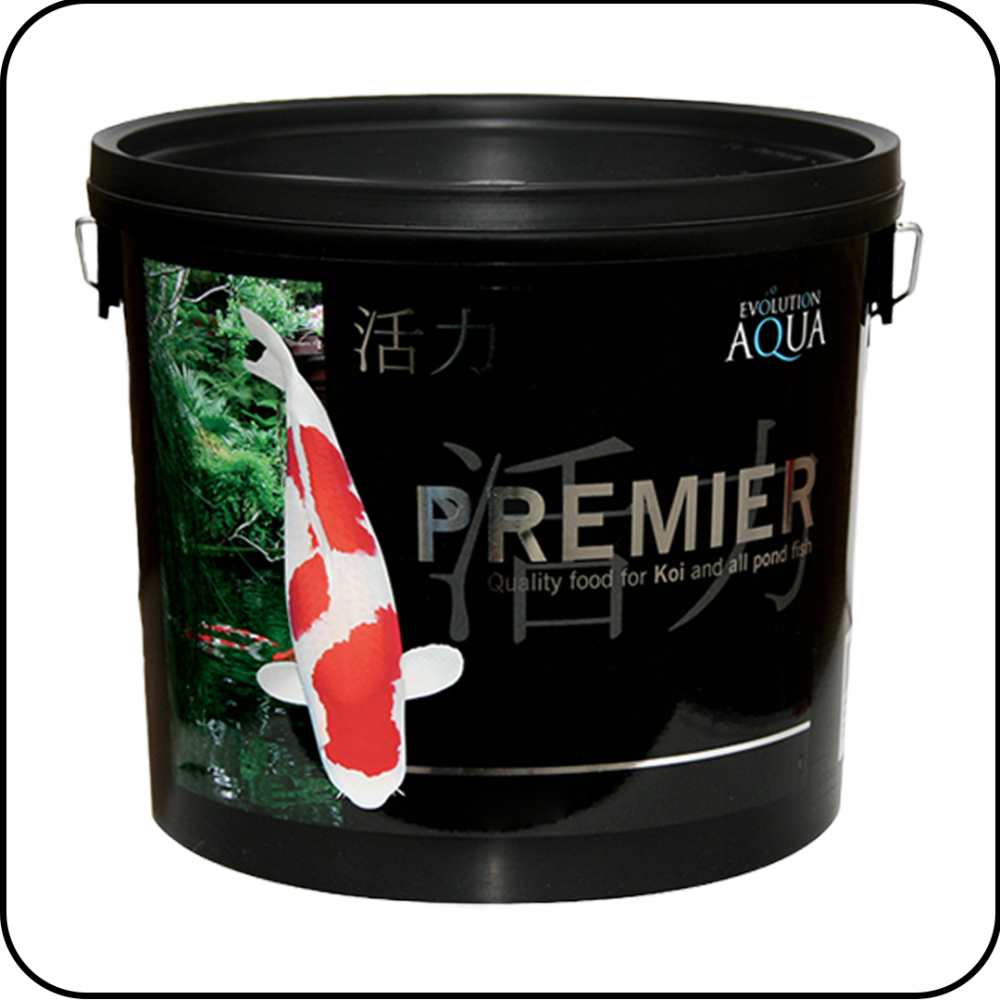
As water temperatures rise and fish become more active, their nutritional requirements increase, making it important to make the switch to a more balanced or performance-based food. These foods are designed to support fish through their most active months, from maintaining overall condition to encouraging healthy growth and development.
Balanced foods provide a complete everyday nutrition source, supporting immune function, energy levels and overall wellbeing without overloading the system. Thanks to highly digestible ingredients and a carefully balanced nutritional profile, they also help reduce excess waste, supporting better water quality and clarity.
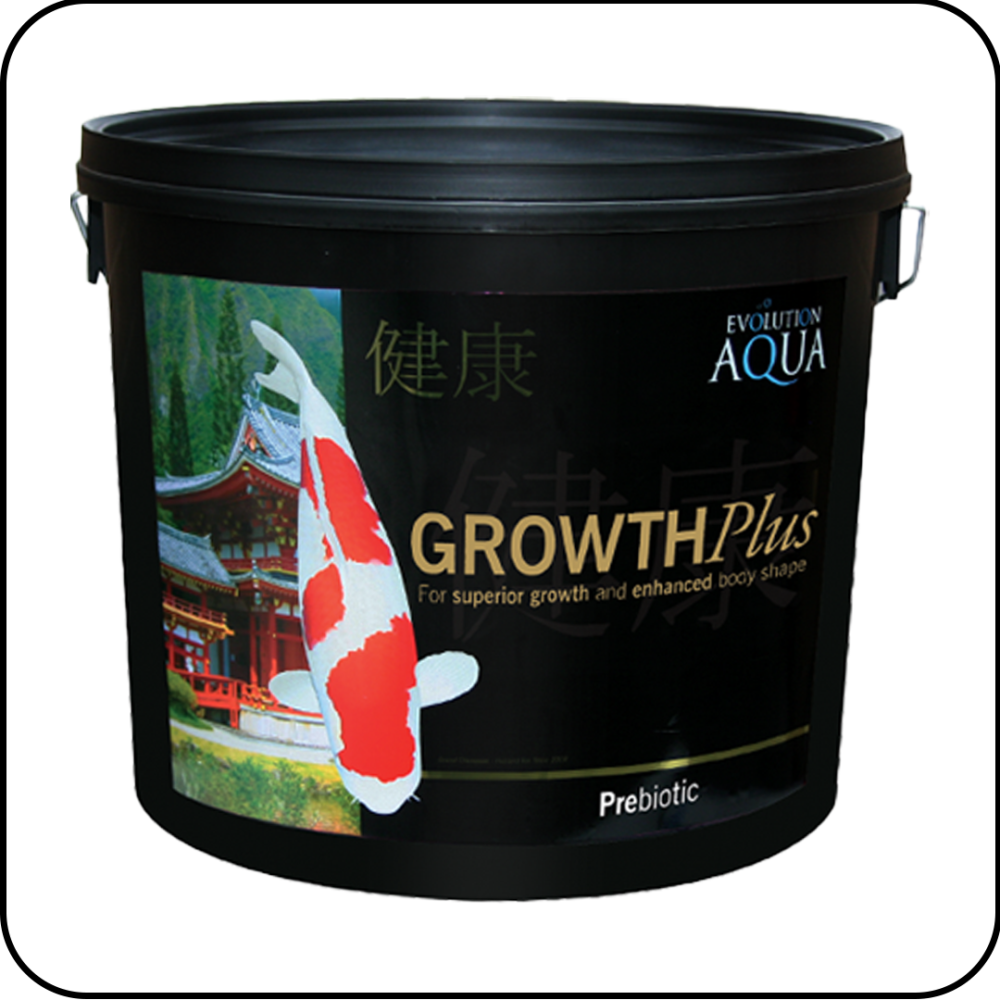
Performance-based foods, on the other hand, are typically higher in protein and designed to support accelerated growth, muscle development, and stronger body condition during warmer periods when fish can process richer nutrition more efficiently. Some performance foods may also include added probiotics, prebiotics, or colour-enhancing ingredients to support digestion, nutrient absorption, immune health, and vibrancy.
Probiotics are beneficial live bacteria that help support digestive health and maintain a healthy gut balance, while prebiotics act as a food source for those beneficial bacteria, helping improve digestion, nutrient absorption, and overall fish wellbeing.
Together, these foods form a structured feeding approach for the warmer months, helping fish not only stay healthy but also reach their full potential during peak activity periods.
Treats & Supplements
Alongside complete feeding diets, treats and supplements can play a valuable supporting role in a fish’s overall nutrition and wellbeing. These are not designed to replace a balanced staple diet, but to add variety, enrichment, and targeted benefits when used appropriately.
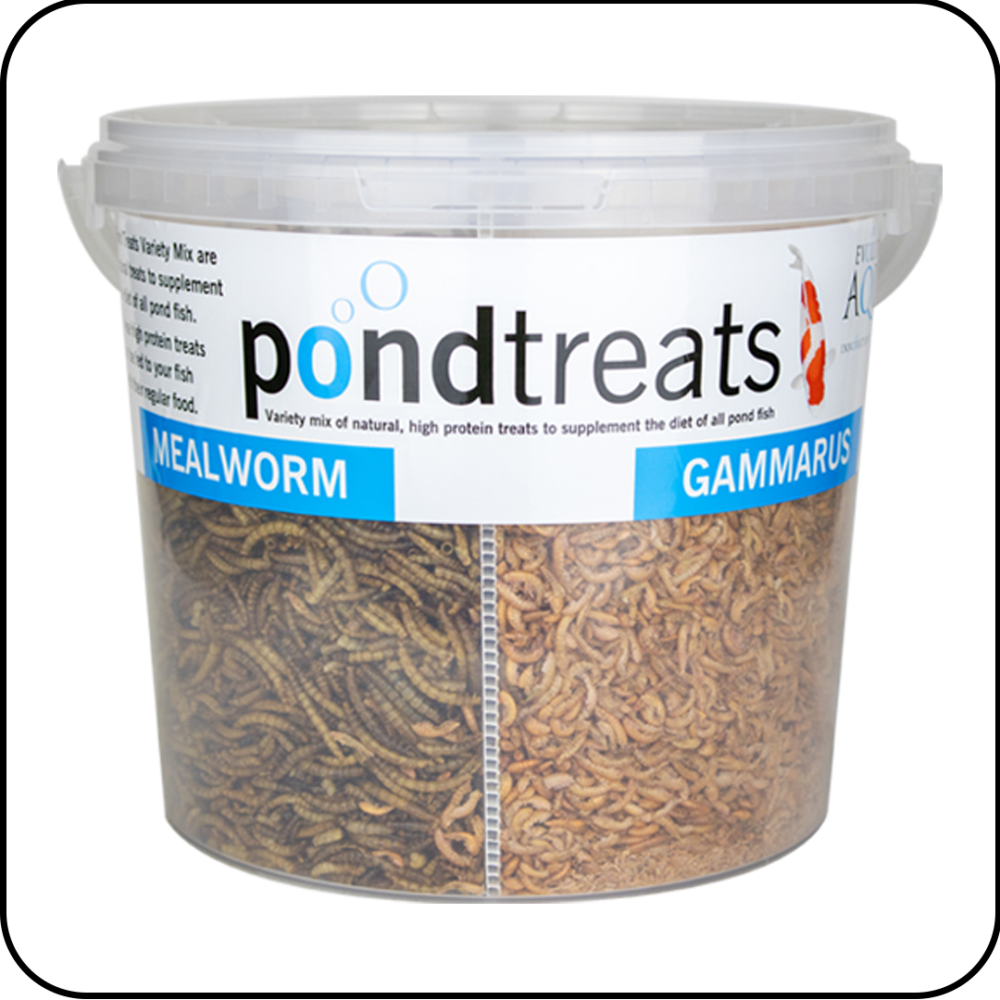
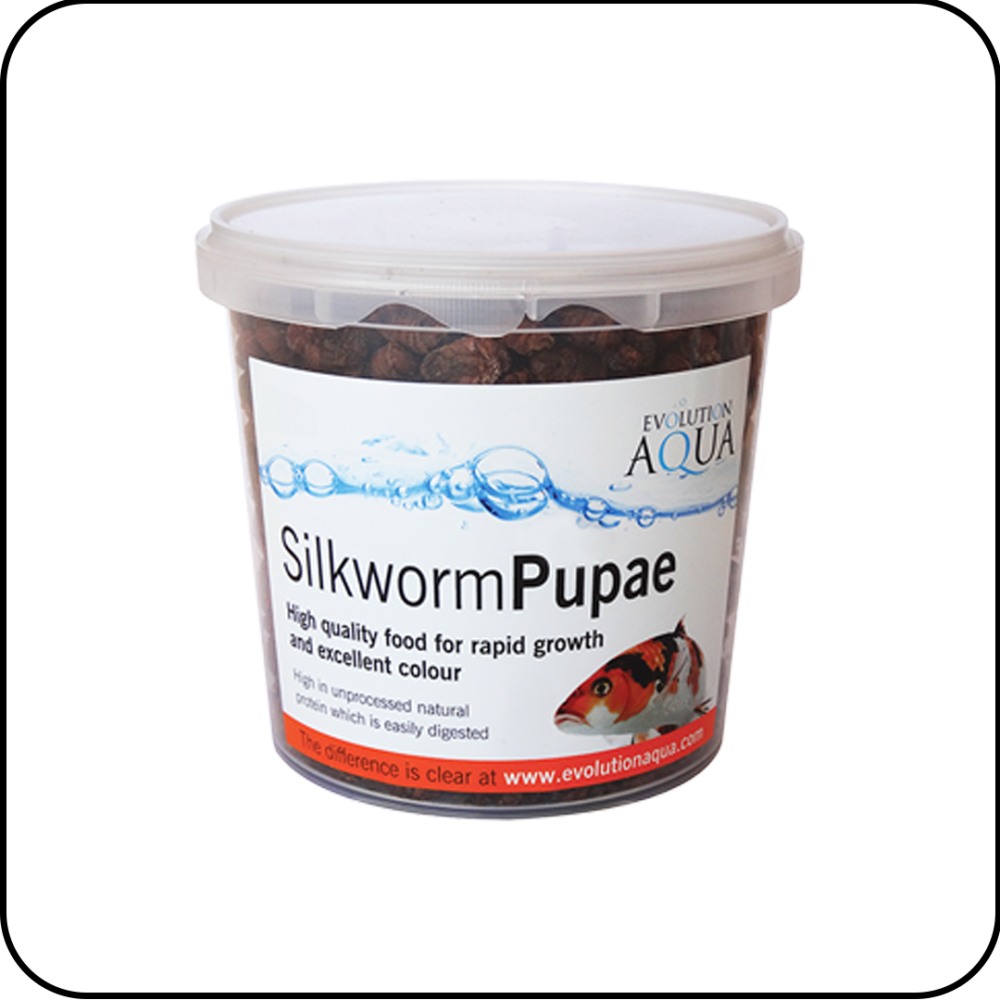
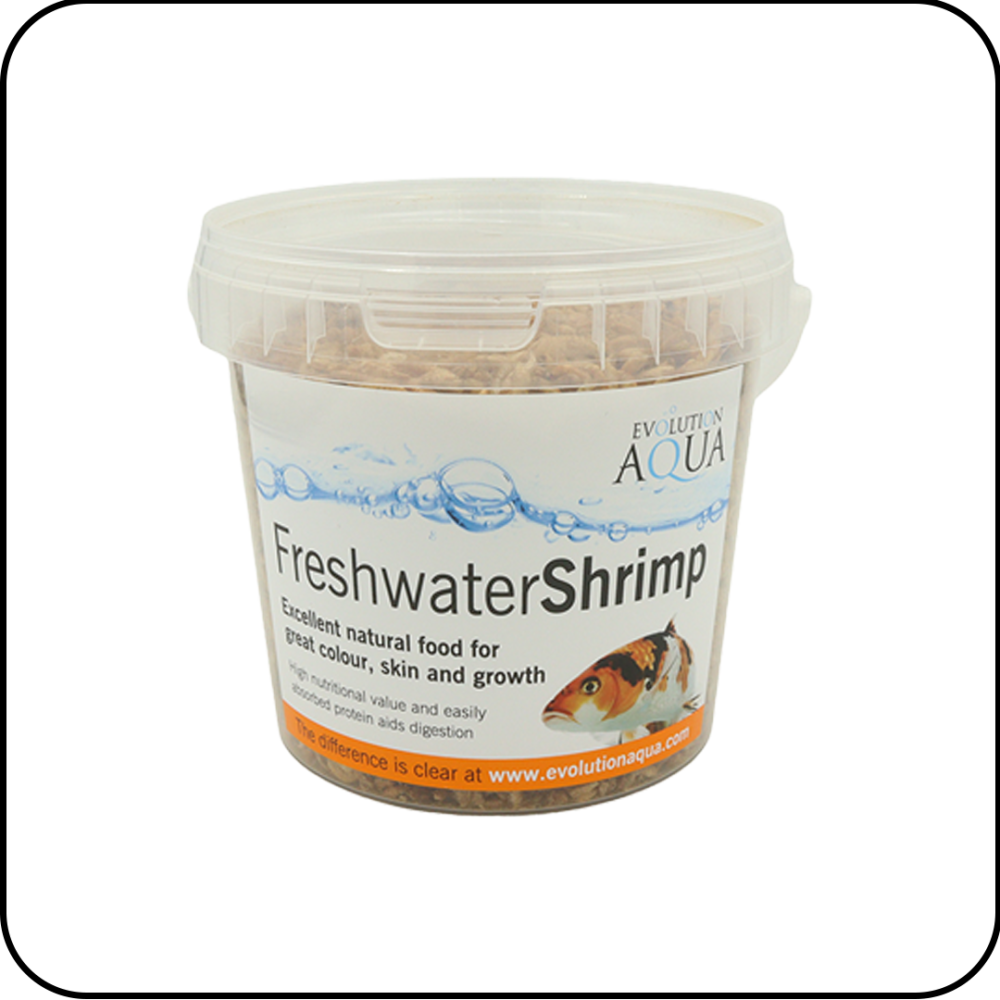
Treats such as silkworms, and freshwater shrimp offer a natural source of protein and are often used to encourage feeding activity or provide occasional variety within a routine diet.
They can also be particularly useful when trying to stimulate feeding response during periods of change or adjustment.
Supplements go a step further, focusing on specific outcomes such as supporting immune health, enhancing natural colouration, or improving overall vitality. These products are typically more concentrated and are best used as part of a considered feeding strategy rather than as a daily staple.
When used correctly, treats and supplements complement a high-quality feeding regime, helping to keep fish active, healthy, and visually at their best.
When’s Dinner?
Feeding your fish isn’t just about choosing the right food, it’s about knowing when to use it. Seasonal changes in water temperature directly affect metabolism, digestion, and nutritional needs.
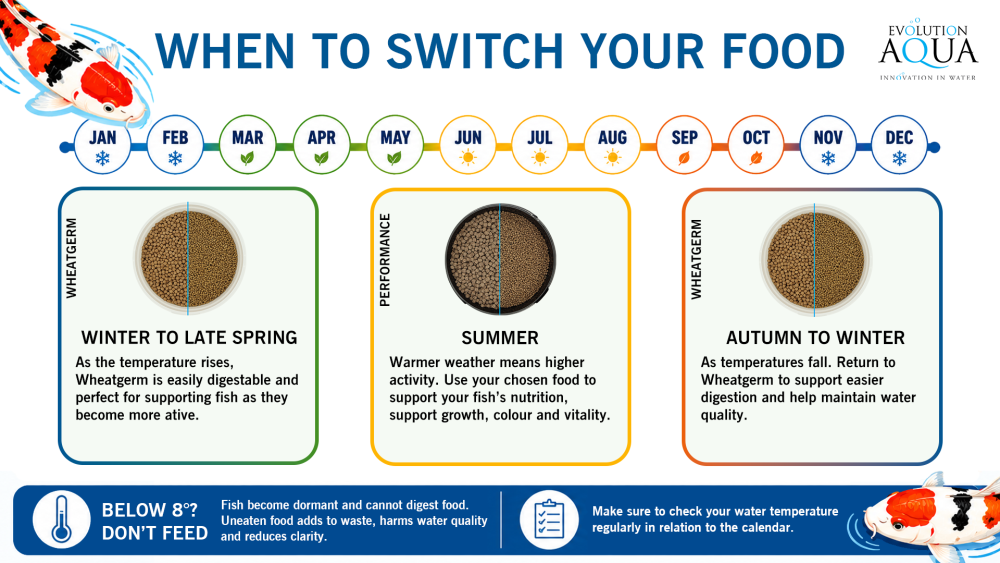
As a guide, late winter into late spring is the time to use a wheatgerm-based, easily digestible food as fish gradually become more active.
From summer into early autumn, switch to premium or growth foods, supported with treats or supplements, when fish are at peak activity and able to process richer nutrition.
As temperatures fall again in autumn, you should transition back to wheatgerm to support slower digestion and maintain water quality.
As a general rule, when water temperatures drop below 8°C, fish become largely dormant and feeding should stop, as uneaten food will only break down and negatively impact water clarity and pond health.
*Disclaimer:*
This information is for educational purposes only and is not a substitute for professional veterinary advice. Always consult a qualified expert for serious fish health concerns.
Search Form
Recent Posts


Recent Comments